Denargo Market / Rhingo open-space area · August 10, 2026
This report documents William Lodge’s account of a brief encounter with a security guard in the Denargo Market open-space area near the large Rhingo climbing structure in Denver. After walking from Glendale in high heat, he sat down in the shade to drink water. He states that within approximately 20–30 seconds, a security guard approached quickly and in a manner he experienced as angry and hostile. The report is presented as a personal record, supporting observations, and open questions about public access, signage, and security authority — not as a proven allegation of wrongdoing.
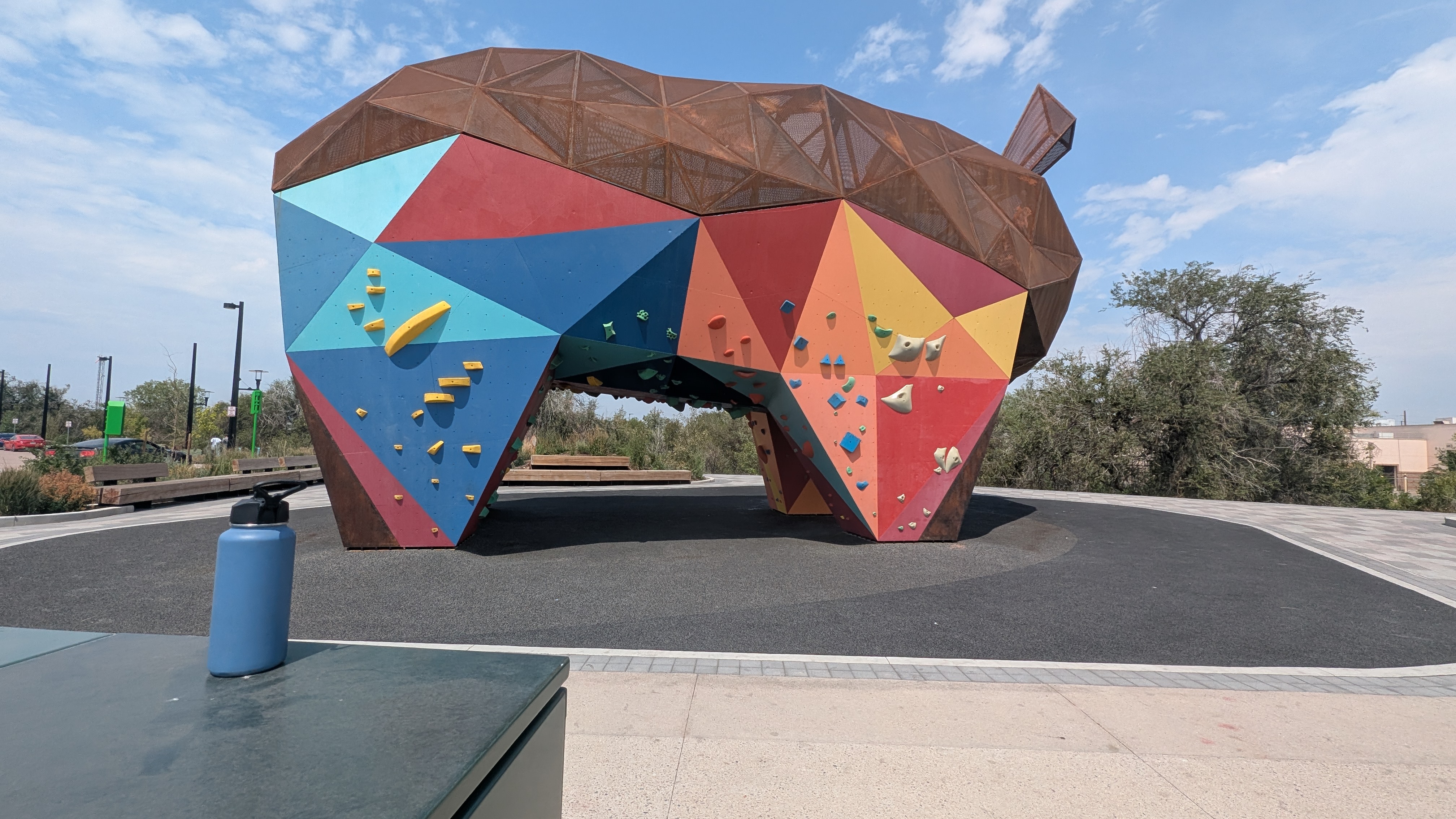
According to Mr. Lodge, he had walked from Glendale along the trail in very hot weather and was looking for shade and a place to drink water. He entered the Denargo Market open-space area near the large Rhingo climbing structure and sat beneath it.
He estimates he had been seated for only about 20–30 seconds when a security guard noticed him and began approaching at a very fast pace. Mr. Lodge experienced the guard’s demeanor as angry and hostile, and as conveying that he was expected to leave before any meaningful conversation had taken place.
Mr. Lodge told the guard he would only be there for about five minutes to drink some water. He recalls the guard responding with words to the effect of, “Five minutes. That’s all you’ve got.” Mr. Lodge states that he was not causing a disturbance, blocking access, damaging property, or climbing the structure.
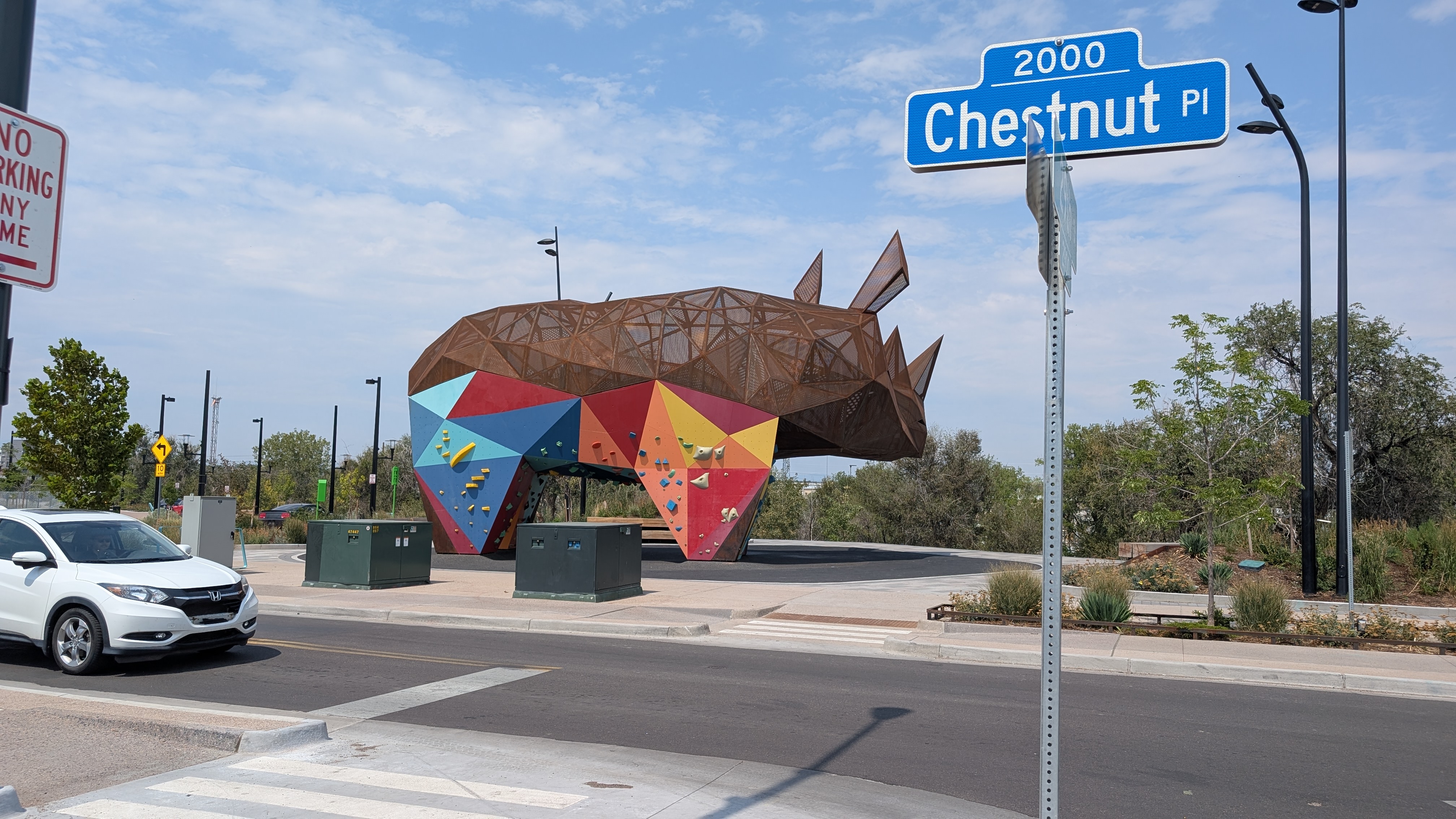
If this area is intended to function as publicly accessible open space, what written rule or legal authority allows a security guard to restrict a person who is simply sitting briefly in the shade and drinking water — especially where no access restrictions, hours, or time limits appear to be posted?
The absence of visible restrictions does not by itself decide the legal status of the property. It does, however, make the actual public-access agreement, easement, development condition, or written site policy especially important to identify.
The key issue is not simply whether the land is privately owned. A privately owned space can still be subject to public-access obligations through a development agreement, recorded easement, plat, zoning condition, or other instrument.
For this case, the most important records are the documents that govern the exact ground around Rhingo: the applicable parcel information, recorded public-access easement or covenant if one exists, Denargo Market development approvals, and any written security or park-use policy.
Whether the Rhingo open-space area is subject to a public-access easement, development agreement, recorded open-space requirement, or other obligation — and what authority, if any, private security has to exclude or time-limit members of the public who are otherwise using the space peacefully.
This page can be updated as the underlying property and access records are obtained.
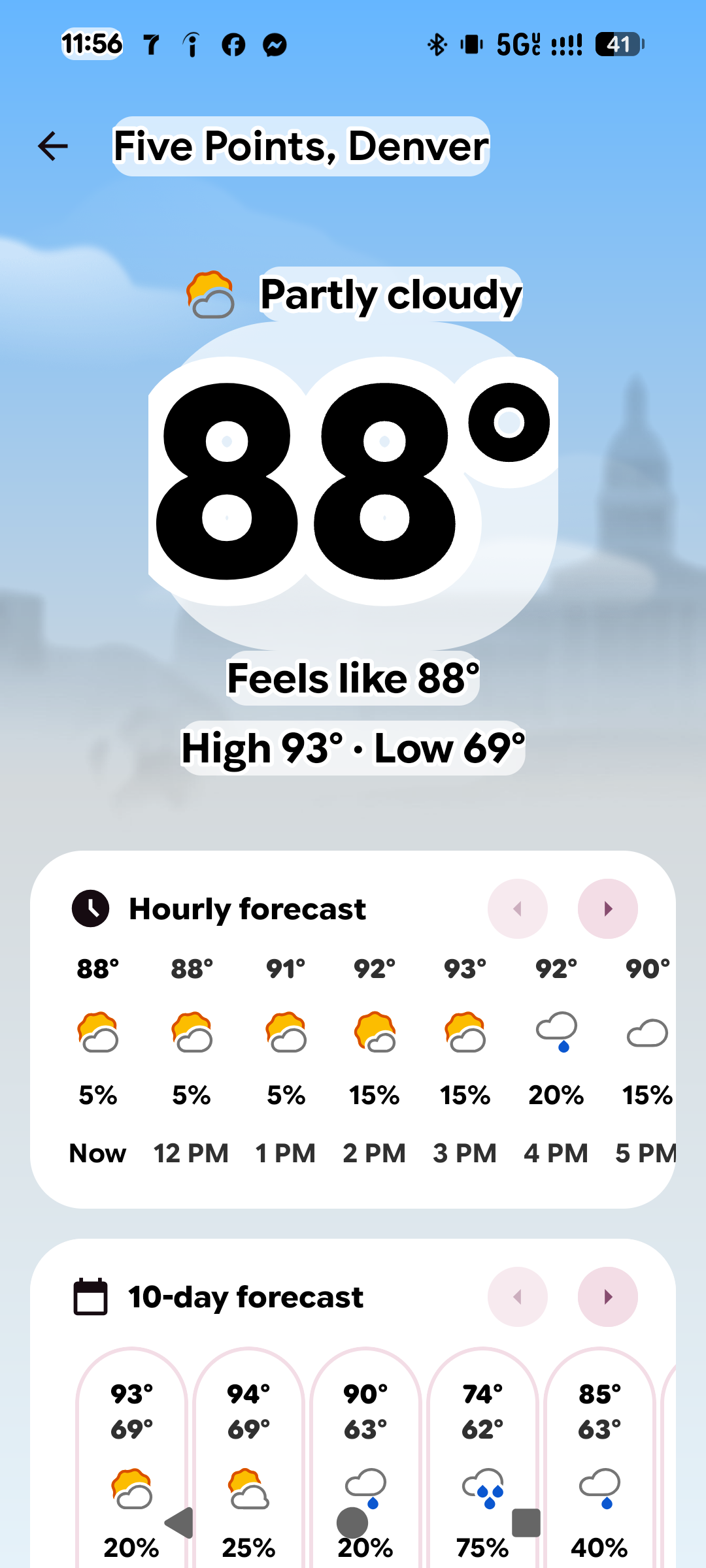
These photographs were taken at or around the Denargo Market / Rhingo area on August 10, 2026 and are preserved as part of this incident record.
“Please identify whether the Rhingo open-space area at Denargo Market is subject to a public-access easement, development agreement, recorded open-space requirement, or other obligation, and provide the written rules governing exclusion or time limits for members of the public using the space peacefully.”
These are open, good-faith questions — not accusations.
This report records William Lodge’s personal account and supporting observations. It is not legal advice and contains no proven finding of wrongdoing by Denargo Market, its owners, property managers, security provider, or any individual guard. Descriptions of demeanor and conduct are presented as Mr. Lodge’s experience. Property ownership, zoning, public-access obligations, and security authority remain subject to verification through official records. Williams Compass welcomes corrections, clarifications, and documentary responses.
If any information here is incomplete or inaccurate, please provide documentation or clarification. The goal is to establish the exact access rules and the facts of the encounter as accurately as possible. Good-faith responses and corrections will be reflected on this page.
william@williamscompass.com